Aplus Legal Advice | 2022.09.11 18:42 | 647 views
A marriage's end is usually a sad occasion, at the very least accompanied by disappointment and the failure of hopes and expectations. In addition, there are difficulties that demand time, effort, and adjustments to duties in the legal, financial, parental, emotional, and practical realms.
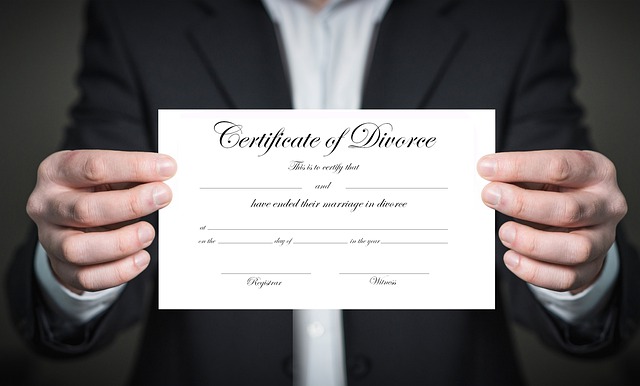
A marriage's end is usually a sad occasion, at the very least accompanied by disappointment and the failure of hopes and expectations. In addition, there are difficulties that demand time, effort, and adjustments to duties in the legal, financial, parental, emotional, and practical realms. Regaining homeostasis can take many years for some people. However, divorce has significant legal and emotional benefits. It has been said that Divorce is worse than death. Death of a spouse is a painful wound that begins to heal after the funeral. A divorce however, will take months or years to reach closure. Eventually these wounds will heal as well, but the mourning period of the death of a marriage can linger on for many years thereafter.
There are actual psychological problems that arise when a marriage does end. It can be quite difficult for people whose plans for the future and their lives with another person abruptly change, forcing them to adjust to a new way of life. The logistics alone—dividing up assets, possibly moving, and deciding on custody—can be difficult. Nearly everyone who has gone through this will also tell you that remorse, guilt, or emotions of embarrassment frequently surface. People also consider their own problems rather than offering support, as if you have the divorce virus and they should avoid getting too near, lest they have it as well. In the end, everything contributes to solitude.
Why is divorce different for women? In comparison to the general female population, women who had recently divorced had fewer physical scores, worse general health, lower vitality, lower social functioning, worse mental health, and decreased role emotional capacity. Women crave intimacy and openness in a union where, under the protection of matrimony, it is safe to be authentic and raw with our chosen one, or soulmate. She puts up a wall when she reaches out for a sense of connection and receives the "wrong" reaction. Then one day, the wall becomes insurmountable. Whether it was she or her spouse that initiated it, guilt will be a woman's initial emotion. Our traditional role as keeper of the household will force her to question everything she did or didn’t do in the marriage and tend to blame herself for the failure of the relationship. The next emotion she will face is anger. Women tend to get angry only after they have finished feeling guilty. A woman's anger must be used constructively. Therefore, a counselor or trained psychologist is often the best person to consult with prior to or in conjunction with obtaining an attorney.
Women in western heterosexual marriages face a considerable wage decline after divorce relative to men, and their chance of living below the poverty line increases. Women who work or put in more hours were found to have a higher probability of getting divorced than those who don't work or put in fewer hours. Women who work full-time are more likely to get divorced. This correlation between wives' employment and divorce may be due to either a higher divorce risk among working women or to wives' labor market responses to impending divorce. In contrast, Western men's income either rises or declines little. Women are less likely to get remarried and frequently have exclusive or main custody of the kids. Because they must balance both paid job and the majority of the unpaid childcare duties while having fewer resources than normally accessible to divorced men, many women experience a compound load as a result of divorce. Continuing in their role as caregiver, women will consider what is best for the children before she will think of what is best for her. In seeking out the best interests of her children, women think as mothers first and women second. Therefore it is imperative that women seeking divorce hire an advocate who understands her duel needs and looks out for all of her interests as woman and mother.
Given that many women still base their professional decisions on their family intentions, even in today's sophisticated world, altering marital property rules to recompense these women is challenging. A college professor who might have started her own profitable business if her family's plans had been different has no means to demonstrate this to a court. Since there isn't any concrete evidence of actual economic harm, the court cannot evaluate her decision to accept a lower-paying position. Divorce is a painful process, but it must be remembered that it is also part of the game of life. All players have roles and perceptions are everything. A good attorney will be able to advise her client as to how the game is played and what she needs to do to insure a favorable outcome. A good attorney is an excellent negotiator and a strong advocate for her client. Good attorneys do not make their living litigating every case, but succeed instead by bringing cases to fair conclusions as expeditiously as possible.
A divorce court's goal is to award each party what they reasonably deserve based on their income throughout the marriage. It is nearly impossible to take into account in a given divorce settlement the general social factors that influence women's employment decisions. In choosing an attorney, a woman must feel completely comfortable with the attorney. She must have a sense of simpatico that cannot always be put in words and most importantly feel complete trust. The outcome of a divorce is usually a life-altering event. The agreement reached will rule for years and in the event that there are children, continue to bind the couple for many years thereafter. Interviewing potential attorneys is an important first step in the process. A good attorney will not shy away from tough questions nor will they guarantee success. Finally, make sure the attorney you are hiring is the attorney you will see in court. Many larger firms have associates who handle the case after the retainer is paid to the name partner. Ask to meet any attorney who may handle your case. The Law Offices of Barbera & McElhone, P.C. handles Divorce and Family Law cases. Janine A. Barbera is an experience matrimonial attorney who will handle your case from the initial intake to its ultimate conclusion.
There are actual psychological problems that arise when a marriage does end. It can be quite difficult for people whose plans for the future and their lives with another person abruptly change, forcing them to adjust to a new way of life. The logistics alone—dividing up assets, possibly moving, and deciding on custody—can be difficult. Nearly everyone who has gone through this will also tell you that remorse, guilt, or emotions of embarrassment frequently surface. People also consider their own problems rather than offering support, as if you have the divorce virus and they should avoid getting too near, lest they have it as well. In the end, everything contributes to solitude.
Why is divorce different for women? In comparison to the general female population, women who had recently divorced had fewer physical scores, worse general health, lower vitality, lower social functioning, worse mental health, and decreased role emotional capacity. Women crave intimacy and openness in a union where, under the protection of matrimony, it is safe to be authentic and raw with our chosen one, or soulmate. She puts up a wall when she reaches out for a sense of connection and receives the "wrong" reaction. Then one day, the wall becomes insurmountable. Whether it was she or her spouse that initiated it, guilt will be a woman's initial emotion. Our traditional role as keeper of the household will force her to question everything she did or didn’t do in the marriage and tend to blame herself for the failure of the relationship. The next emotion she will face is anger. Women tend to get angry only after they have finished feeling guilty. A woman's anger must be used constructively. Therefore, a counselor or trained psychologist is often the best person to consult with prior to or in conjunction with obtaining an attorney.
Women in western heterosexual marriages face a considerable wage decline after divorce relative to men, and their chance of living below the poverty line increases. Women who work or put in more hours were found to have a higher probability of getting divorced than those who don't work or put in fewer hours. Women who work full-time are more likely to get divorced. This correlation between wives' employment and divorce may be due to either a higher divorce risk among working women or to wives' labor market responses to impending divorce. In contrast, Western men's income either rises or declines little. Women are less likely to get remarried and frequently have exclusive or main custody of the kids. Because they must balance both paid job and the majority of the unpaid childcare duties while having fewer resources than normally accessible to divorced men, many women experience a compound load as a result of divorce. Continuing in their role as caregiver, women will consider what is best for the children before she will think of what is best for her. In seeking out the best interests of her children, women think as mothers first and women second. Therefore it is imperative that women seeking divorce hire an advocate who understands her duel needs and looks out for all of her interests as woman and mother.
Given that many women still base their professional decisions on their family intentions, even in today's sophisticated world, altering marital property rules to recompense these women is challenging. A college professor who might have started her own profitable business if her family's plans had been different has no means to demonstrate this to a court. Since there isn't any concrete evidence of actual economic harm, the court cannot evaluate her decision to accept a lower-paying position. Divorce is a painful process, but it must be remembered that it is also part of the game of life. All players have roles and perceptions are everything. A good attorney will be able to advise her client as to how the game is played and what she needs to do to insure a favorable outcome. A good attorney is an excellent negotiator and a strong advocate for her client. Good attorneys do not make their living litigating every case, but succeed instead by bringing cases to fair conclusions as expeditiously as possible.
A divorce court's goal is to award each party what they reasonably deserve based on their income throughout the marriage. It is nearly impossible to take into account in a given divorce settlement the general social factors that influence women's employment decisions. In choosing an attorney, a woman must feel completely comfortable with the attorney. She must have a sense of simpatico that cannot always be put in words and most importantly feel complete trust. The outcome of a divorce is usually a life-altering event. The agreement reached will rule for years and in the event that there are children, continue to bind the couple for many years thereafter. Interviewing potential attorneys is an important first step in the process. A good attorney will not shy away from tough questions nor will they guarantee success. Finally, make sure the attorney you are hiring is the attorney you will see in court. Many larger firms have associates who handle the case after the retainer is paid to the name partner. Ask to meet any attorney who may handle your case. The Law Offices of Barbera & McElhone, P.C. handles Divorce and Family Law cases. Janine A. Barbera is an experience matrimonial attorney who will handle your case from the initial intake to its ultimate conclusion.